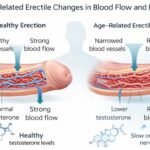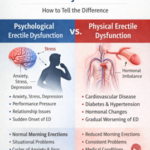

Erectile problems can happen at any age, including in men in their 30s. Having difficulty getting or keeping an erection occasionally is not necessarily a sign of erectile dysfunction. Stress, tiredness, alcohol and anxiety can all affect sexual performance temporarily.
Thank you for reading this post, don't forget to subscribe!However, if erection problems keep happening, become more frequent or start affecting confidence and relationships, it is worth looking into the possible cause.
Erectile dysfunction (ED) is generally described as difficulty getting or keeping an erection firm enough for sexual activity. It can have physical, psychological or lifestyle-related causes, and several factors can exist at the same time.
The NHS notes that occasional erection difficulties are common, but persistent problems can sometimes be associated with conditions such as high blood pressure, high cholesterol, diabetes, anxiety, depression, hormone problems or medication side effects.
This guide explains the most common causes of erectile problems in men over 30, what symptoms to look out for, when medical assessment is appropriate and what can help.
What Are Erectile Problems?
Erectile problems can mean different things.
A man may:
- Have difficulty getting an erection
- Get an erection but lose it before or during sex
- Find that erections are less firm than they used to be
- Need more stimulation to achieve an erection
- Experience inconsistent erections
- Have concerns about sexual performance that make erections more difficult
Occasional difficulty is different from persistent erectile dysfunction.
For example, being unable to maintain an erection after a stressful day or after drinking heavily does not necessarily mean that you have ED. NIDDK describes ED as being unable to get or keep an erection firm enough for sex and notes that symptoms can include getting an erection sometimes but not every time, or getting an erection that does not last long enough for sexual activity.
Is Erectile Dysfunction Normal After 30?
No. Erectile difficulties can become more common with age, but persistent ED should not simply be dismissed as a normal part of getting older.
Men in their 30s can develop erection problems for many reasons, including stress, anxiety, smoking, excessive alcohol consumption, obesity, diabetes, high blood pressure, medication effects and hormonal or neurological problems.
Mayo Clinic explains that erectile dysfunction can affect men of all ages and that ageing can increase risk, but ED is not simply an inevitable consequence of getting older.
This is why recurring erectile problems deserve attention rather than being automatically attributed to age.
1. Stress and Psychological Pressure
Stress is one of the most common reasons an otherwise healthy man may occasionally struggle with an erection.
Work pressure, financial concerns, relationship difficulties, lack of sleep and ongoing anxiety can all interfere with sexual arousal.
An erection is not purely a physical process. The brain, emotions, hormones, nerves, muscles and blood vessels all contribute to sexual response.
When someone becomes worried about whether they will be able to maintain an erection, that worry can itself make the situation worse.
This can create a cycle:
Erection difficulty → worry about performance → increased anxiety → further erection difficulty.
NIDDK lists anxiety, depression, stress, low self-esteem and negative body image among psychological or emotional factors that can cause or worsen ED.
If psychological factors appear to be contributing, counselling or psychosexual support may be useful alongside treatment of any physical causes.
2. Performance Anxiety
Performance anxiety deserves separate attention because it can affect men who do not have a major physical problem.
A man may have normal erections during sleep or masturbation but struggle with a partner because he becomes overly focused on his performance.
After one unsuccessful sexual experience, he may begin anticipating another problem. That anticipation can increase anxiety and make maintaining an erection more difficult.
This does not mean the problem is imaginary. Psychological and physical factors can interact.
Mayo Clinic notes that erectile dysfunction can involve both physical and psychological causes, and that anxiety about maintaining an erection can worsen an existing physical problem.
3. Poor Cardiovascular and Blood-Vessel Health
Healthy erections depend on adequate blood flow.
Conditions that affect the cardiovascular system can therefore also affect erectile function.
Important risk factors include:
- High blood pressure
- High cholesterol
- Atherosclerosis
- Diabetes
- Obesity
- Smoking
- Metabolic syndrome
NIDDK identifies diseases affecting blood vessels, including atherosclerosis, high blood pressure and stroke, among causes of ED.
Mayo Clinic similarly lists heart disease, high cholesterol, high blood pressure, diabetes, obesity and metabolic syndrome among physical causes of ED.
This is one reason persistent erectile problems should not always be treated as an isolated sexual issue.
4. Diabetes
Diabetes can affect both blood vessels and nerves involved in erections.
Over time, poorly controlled blood glucose can contribute to vascular and neurological damage. These changes can make it more difficult to achieve or maintain an erection.
NIDDK lists diabetes among the common diseases and conditions associated with ED.
If erectile problems occur alongside excessive thirst, frequent urination, unexplained tiredness or other symptoms associated with diabetes, medical assessment is particularly important.
5. High Blood Pressure and High Cholesterol
High blood pressure and high cholesterol may not cause obvious symptoms themselves, but both can affect cardiovascular health.
Because erections depend on healthy blood vessels, problems with circulation can contribute to erectile difficulties.
The NHS specifically lists high blood pressure and high cholesterol among possible causes of persistent ED.
A man experiencing recurring ED may therefore benefit from having his blood pressure, cholesterol and overall cardiovascular risk assessed.
6. Smoking
Smoking is an important modifiable risk factor for erectile dysfunction.
Tobacco use can damage blood vessels and contribute to cardiovascular disease, both of which can affect erectile function.
NIDDK lists cigarette smoking among lifestyle behaviours that may contribute to ED.
Stopping smoking is therefore beneficial not only for sexual health but for overall cardiovascular health.
7. Excessive Alcohol
Alcohol can affect erections in both the short and longer term.
After drinking heavily, a man may find it harder to become aroused or maintain an erection. Regular excessive alcohol consumption can also contribute to wider health problems that increase ED risk.
The NHS notes that stress, tiredness and drinking too much alcohol can cause occasional erection problems.
Reducing excessive alcohol intake may therefore be one practical step for men experiencing recurring erection difficulties.
8. Being Overweight or Obese
Body weight can influence erectile health through several pathways.
Obesity is associated with conditions such as diabetes, high blood pressure and cardiovascular disease, all of which can contribute to ED.
It may also be associated with hormonal and metabolic changes.
NIDDK includes overweight and obesity among chronic health conditions associated with ED.
Improving overall physical health can therefore be an important part of managing erectile problems.
9. Lack of Physical Activity
A sedentary lifestyle can contribute indirectly to erectile difficulties by increasing cardiovascular and metabolic risk.
Regular physical activity supports cardiovascular health, weight management and general wellbeing.
NIDDK recommends increasing physical activity as one lifestyle measure that may help improve ED symptoms.
This does not mean that exercise is an instant cure for ED. Rather, regular activity can form part of a broader approach to improving the health factors that influence erections.
10. Poor Sleep and Sleep Disorders
Sleep is another factor worth considering.
Poor sleep can contribute to fatigue, stress and reduced wellbeing. Sleep disorders can also be associated with erectile difficulties.
Mayo Clinic lists sleep conditions among possible physical causes of ED.
If erectile problems occur alongside loud snoring, disrupted sleep, excessive daytime sleepiness or other sleep-related symptoms, discussing these issues with a healthcare professional may be worthwhile.
11. Low Testosterone
Testosterone is involved in sexual desire and reproductive health, but low testosterone should not automatically be assumed to be the cause of every erection problem.
A man can have ED with normal testosterone levels, and a man with low testosterone may experience symptoms such as reduced libido without ED being the only problem.
The Endocrine Society’s 2026 statement emphasises that testosterone deficiency should be diagnosed based on compatible symptoms together with consistently low, accurately measured testosterone levels. Symptoms alone are not enough to establish the diagnosis.
Therefore, taking testosterone or so-called “testosterone boosters” simply because erections have become less reliable is not an appropriate approach without proper assessment.
12. Medicines Can Sometimes Affect Erections
Some medicines can contribute to erectile difficulties as a side effect.
Examples include certain:
- Antidepressants
- Antihistamines
- Blood-pressure medicines
- Diuretics
- Pain medicines
- Hormonal medicines
- Sedatives
- Other prescription medicines
NIDDK provides a broad list of prescription and over-the-counter medicines that may contribute to ED.
If erection problems started soon after beginning a new medicine, speak with the prescribing professional.
Do not stop a prescribed medicine on your own.
A doctor may decide that a dose adjustment, alternative medicine or another treatment approach is appropriate.
13. Anxiety and Depression
Depression can affect sexual interest, arousal and erectile function.
Anxiety can also interfere with sexual response, particularly when it becomes focused on sexual performance.
Sometimes physical and psychological factors occur together.
For example, a man with mild vascular ED may experience an unsuccessful sexual encounter. He may then develop anxiety about it happening again, which can make future erections even more difficult.
NIDDK recognises anxiety, depression, stress and low self-esteem as factors that may cause or worsen ED.
14. Relationship Difficulties
Relationships can influence sexual wellbeing.
Communication problems, unresolved conflict, emotional distance or changes in intimacy can affect sexual arousal and confidence.
This does not mean relationship problems are always the cause of ED. Rather, psychological and relationship factors can interact with physical health.
If relationship difficulties appear to be contributing to sexual problems, counselling or psychosexual therapy may be worth considering.
15. Neurological Problems
Erections depend partly on healthy nerve function.
Conditions affecting the nervous system or injuries involving the spinal cord or pelvic nerves can therefore contribute to ED.
NIDDK lists multiple sclerosis, spinal cord injuries and nerve damage associated with pelvic surgery among possible causes.
These causes are less common than lifestyle or cardiovascular risk factors, but they are important when other neurological symptoms are present.
16. Pelvic Surgery or Injury
Previous surgery or injury affecting the pelvis can sometimes damage nerves or blood vessels involved in erections.
This may occur after certain procedures involving the prostate, bladder, bowel or surrounding structures.
A detailed medical and surgical history can help a healthcare professional determine whether this may be relevant.
17. Peyronie’s Disease and Other Penile Conditions
Peyronie’s disease can cause scar tissue within the penis, potentially resulting in curvature, discomfort or changes in erections.
Other penile conditions can also affect sexual function.
If erection problems are accompanied by:
- A new or worsening bend
- Pain during erection
- A noticeable lump or plaque
- Changes in penile shape
medical assessment is recommended.
Mayo Clinic lists Peyronie’s disease among physical causes of erectile dysfunction.
Does Porn Cause Erectile Dysfunction?
This question is often discussed online, but it is important to avoid presenting a simple cause-and-effect explanation.
Some men report changes in sexual arousal or erection quality in connection with their pornography use, while psychological factors such as anxiety, expectations about sex and relationship difficulties can also influence sexual function.
There is not a sound basis for telling every man with ED that pornography has “rewired his brain” or is automatically the cause of his erection problems.
A better approach is to look at the individual’s overall sexual, psychological and physical circumstances.
Can Low Libido and Erectile Dysfunction Occur Together?
Yes, but they are not the same problem.
Low libido means reduced interest or desire for sexual activity.
Erectile dysfunction concerns difficulty achieving or maintaining an erection.
A man can have:
- Low libido without ED
- ED with normal sexual desire
- Both low libido and ED
The causes can overlap. Stress, depression, medication effects, hormonal problems and chronic health conditions can influence both.
If reduced sexual desire is your main concern, our guide to low sexual desire in men provides more information.
What About Morning Erections?
Morning or spontaneous erections can vary from one man to another and from one period of life to another.
Not having an erection every morning does not automatically mean that you have ED.
However, a noticeable and persistent change in spontaneous erections may be worth discussing with a healthcare professional, particularly if it occurs together with other sexual or hormonal symptoms.
It is better to consider the overall pattern rather than use morning erections as a standalone diagnostic test.
How Is Erectile Dysfunction Diagnosed?
There is no single test that explains every case of ED.
A healthcare professional may ask about:
- When the problem started
- Whether it happens every time or only sometimes
- Morning or spontaneous erections
- Sexual desire
- Relationship and psychological factors
- Alcohol and smoking
- Physical activity
- Existing health conditions
- Current medicines
- Previous surgery or injury
A physical examination and basic health checks may also be appropriate.
NIDDK explains that ED diagnosis can involve medical, sexual and mental-health history, physical examination and laboratory or other tests when appropriate.
Depending on the individual, a clinician may assess factors such as blood pressure, cardiovascular risk, blood glucose, cholesterol or hormone levels.
Should Men Over 30 Have Testosterone Tested?
Not automatically.
Erectile problems alone do not prove that testosterone is low.
If symptoms suggest possible testosterone deficiency, a clinician may decide that testing is appropriate. The Endocrine Society states that diagnosis requires symptoms together with consistently low testosterone measurements and stresses the importance of accurate testing.
This is important because unnecessary testosterone treatment can have risks and is not a general treatment for ordinary erection difficulties.
What Can Help Erectile Problems?
Treatment depends on the cause.
Useful measures may include:
Stop smoking
Stopping smoking can improve overall cardiovascular health and may help reduce one important risk factor for ED.
Reduce excessive alcohol
Reducing heavy alcohol consumption may improve sexual function and general health.
Exercise regularly
Physical activity supports cardiovascular health, weight management and circulation.
Maintain a healthy weight
If you are overweight, gradual weight management can improve several health factors associated with ED.
Manage stress
Relaxation techniques, counselling, exercise, adequate sleep and addressing sources of ongoing stress can all be useful.
Review medicines with a doctor
If a medicine may be contributing to ED, a clinician can determine whether an alternative or dose adjustment is appropriate.
Treat underlying health conditions
Managing diabetes, high blood pressure, cholesterol problems and other conditions can be an important part of improving erectile health.
NIDDK recommends measures such as quitting smoking, limiting alcohol, increasing physical activity, maintaining a healthy weight and following a healthy eating plan as part of ED management.
For more information, read our guide to lifestyle changes that support erectile function.
What Treatments Are Available for ED?
Several treatment approaches are available depending on the cause and the individual’s health.
These can include:
- Lifestyle changes
- Psychological or psychosexual support
- PDE5 inhibitor medicines
- Vacuum erection devices
- Treatment of hormonal problems when clinically diagnosed
- Other specialist treatments in selected cases
PDE5 inhibitors include medicines such as sildenafil and tadalafil.
The NHS lists PDE5 inhibitors among the main medical treatments for ED.
Our guide to erectile dysfunction treatments explains the main options in greater detail.
Are ED Tablets Suitable for Everyone?
No.
Medicines used for ED can interact with other medicines and may not be appropriate for men with certain medical conditions.
For example, sildenafil and other PDE5 inhibitors can be dangerous when combined with nitrate medicines because of the risk of a significant drop in blood pressure.
Men considering ED medication should therefore discuss their health and current medicines with a doctor or pharmacist.
The NHS also warns that medicines purchased from unregulated online sources may contain different ingredients or inappropriate doses and recommends checking that online providers are properly regulated.
When Should a Man Over 30 See a Doctor?
Consider speaking with a healthcare professional if:
- Erectile problems keep happening
- The problem is becoming more frequent
- Erections have become noticeably weaker
- ED is affecting your relationship or confidence
- You also have diabetes or high blood pressure
- You have symptoms of low testosterone
- You have penile pain or curvature
- You have other unexplained health symptoms
- The problem started after beginning a medicine
- You are worried about the change in your sexual function
You do not need to wait until ED becomes severe before seeking advice.
The NHS recommends seeing a GP when erection problems keep happening.
Is Erectile Dysfunction a Sign of Another Health Problem?
Sometimes it can be.
Because erections depend on healthy blood vessels, nerves, hormones and psychological wellbeing, persistent ED can occur alongside other health conditions.
NIDDK specifically notes that ED may be a symptom of another health problem and lists diabetes, cardiovascular disease, obesity, hormonal problems, neurological disorders and certain medicines among possible causes.
This does not mean that every man with ED has heart disease or diabetes.
It simply means persistent symptoms should not automatically be dismissed as a sexual-performance issue.
Frequently Asked Questions:
What are the most common causes of erectile problems in men over 30?
Common causes include stress and anxiety, cardiovascular and metabolic conditions, diabetes, smoking, excessive alcohol, obesity, lack of physical activity, medication side effects, psychological problems and hormonal or neurological conditions.
Is erectile dysfunction normal at 30?
Occasional erection difficulties can happen at any age. Persistent ED, however, should not simply be considered a normal consequence of being 30 or older.
Can stress cause erection problems?
Yes. Stress and anxiety can interfere with sexual arousal and may cause or worsen ED.
Can diabetes cause erectile dysfunction?
Yes. Diabetes can affect blood vessels and nerves involved in erections and is a recognised risk factor for ED.
Can high blood pressure cause ED?
Yes. High blood pressure is among the conditions associated with erectile dysfunction.
Does low testosterone always cause ED?
No. Low testosterone can be associated with sexual symptoms, including reduced libido and ED, but erection problems can have many other causes. Testosterone deficiency requires appropriate testing alongside compatible symptoms.
Can lifestyle changes improve erectile function?
They can help some men, particularly when lifestyle or cardiovascular risk factors contribute to ED. Smoking cessation, physical activity, healthy weight management and reducing excessive alcohol are among the measures recommended in ED guidance.
Should I take an ED tablet if I am having erection problems?
Do not assume that medication is appropriate without considering the cause and your medical history. Some ED medicines can interact with other medicines and may be unsafe for certain people.
When should I worry about erectile problems?
If erection difficulties are persistent, worsening, affecting your wellbeing or occurring alongside other health symptoms, it is sensible to speak with a healthcare professional.
Final Thoughts
Erectile problems in men over 30 can have many different causes.
Stress, anxiety and relationship difficulties can interfere with sexual response, while smoking, excessive alcohol, obesity, diabetes, high blood pressure, cardiovascular disease, certain medicines and hormonal or neurological conditions can also contribute.
The important point is that persistent ED should not simply be dismissed as ageing or poor sexual performance.
Finding the underlying cause can make treatment more effective and may also reveal health issues that deserve attention.
Lifestyle changes can be helpful, psychological support may be appropriate for some men, and medical treatments are available when needed. The most suitable approach depends on the individual.
If erection problems are happening regularly, speaking with a qualified healthcare professional is a sensible first step.
Medical Disclaimer
This article is provided for general educational purposes and does not replace professional medical advice, diagnosis or treatment.
Erectile dysfunction can have multiple causes, and information on this page cannot determine the cause of an individual’s symptoms. Speak with a qualified healthcare professional if you have persistent, worsening or concerning erection problems.
Do not start, stop or change prescription medicines without professional advice.