Erectile dysfunction (ED) is often misunderstood as a purely physical condition. In reality, erections depend on a complex interaction between the brain, hormones, blood vessels, and emotions. When difficulties occur, the cause may be physical, psychological, or a combination of both.
Thank you for reading this post, don't forget to subscribe!Understanding whether erectile dysfunction is psychological or physical can help men seek the right support and avoid unnecessary stress. This guide explains the key differences, warning signs, and when professional medical advice is essential.
Why Identifying the Cause Matters
Erectile dysfunction is not a single disease. It is a symptom that may result from:
- Circulatory problems
- Hormonal imbalance
- Nerve dysfunction
- Stress and anxiety
- Relationship concerns
- Performance pressure
According to modern sexual health research, many men experience mixed erectile dysfunction, meaning both psychological and physical factors contribute.
Correct identification improves treatment outcomes and prevents frustration from using the wrong approach.
What Is Psychological Erectile Dysfunction?
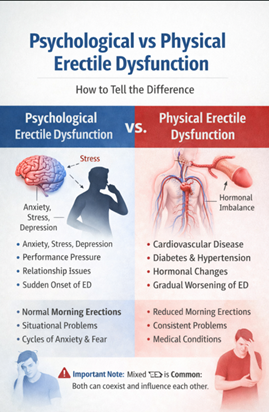
Psychological ED occurs when emotional or mental factors interfere with sexual performance, even though the body is physically capable of achieving an erection.
Common psychological causes include:
- Performance anxiety
- Stress from work or finances
- Depression
- Low self-confidence
- Relationship conflicts
- Past negative sexual experiences
In these cases, blood vessels and nerves function normally, but the brain’s stress response blocks the erection process.
Signs Erectile Dysfunction May Be Psychological
Certain patterns strongly suggest a psychological origin:
1. Sudden Onset
If erection problems appear suddenly without gradual worsening, stress is often involved.
2. Morning or Nighttime Erections Are Present
Men with psychological ED usually still experience normal spontaneous erections during sleep.
3. Situational Difficulties
Erections may occur during masturbation but not with a partner.
4. Performance Anxiety Pattern
Symptoms worsen after one negative experience due to fear of repeat failure.
These signs indicate the physical erection mechanism is intact.
What Is Physical Erectile Dysfunction?
Physical ED is caused by a measurable medical condition affecting blood flow, nerves, or hormones.
Common physical causes include:
- Cardiovascular disease
- Diabetes
- High blood pressure
- Obesity
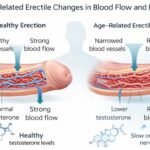
- Hormonal imbalance (low testosterone)
- Nerve damage
- Side effects of medications
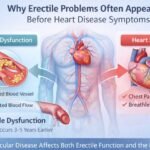
Because erections rely heavily on healthy blood vessels, erectile dysfunction is sometimes considered an early warning sign of heart disease.
Signs Erectile Dysfunction May Be Physical
Physical ED typically presents differently:
1. Gradual Development
Symptoms slowly worsen over months or years.
2. Reduced Morning Erections
Spontaneous erections during sleep become weaker or disappear.
3. Consistent Difficulty
Erection problems occur in all situations.
4. Presence of Medical Conditions
Existing issues such as diabetes or cardiovascular disease increase likelihood.
Unlike psychological ED, physical causes often require medical evaluation.
The Brain-Body Connection: Why It’s Often Both
Modern research shows that psychological and physical ED frequently overlap.
For example:
- Mild circulation issues may cause one failed attempt
- Anxiety develops after that experience
- Stress worsens erection quality
- Confidence declines
This creates a cycle where physical and psychological elements reinforce each other.
Effective management often involves addressing both.
How Doctors Differentiate the Two
Healthcare professionals may evaluate:
- Medical history
- Lifestyle factors
- Blood pressure and cardiovascular health
- Hormone levels
- Mental health status
- Frequency of nighttime erections
In some cases, simple questionnaires or physical tests help determine whether blood flow is impaired.
Self-diagnosis is discouraged, especially because erectile dysfunction may indicate underlying health concerns.
Treatment Approaches Differ
For Psychological ED:
- Stress reduction techniques
- Cognitive behavioral therapy
- Relationship counseling
- Lifestyle improvements
- Temporary medical support if appropriate
For Physical ED:
- Cardiovascular health management
- Blood sugar control
- Hormone therapy (if needed)
- Prescription erectile dysfunction medications under medical supervision
Lifestyle changes benefit both types significantly.
Lifestyle Factors That Improve Both Types
Regardless of the cause, the following improvements enhance erectile health:
- Regular exercise
- Balanced diet
- Adequate sleep
- Smoking cessation
- Limiting alcohol
- Managing chronic stress
Healthy blood flow and mental balance are equally essential for sexual performance.
When to Seek Medical Advice
Men should consult a healthcare professional if:
- Erectile difficulties persist for more than three months
- Symptoms are worsening
- There is chest pain or cardiovascular history
- Morning erections are consistently absent
- ED is affecting emotional well-being
Early evaluation prevents complications and improves long-term outcomes.
The Emotional Impact of Erectile Dysfunction
ED can significantly affect:
- Self-esteem
- Relationship satisfaction
- Mental health
- Confidence
Open communication with a partner and seeking guidance early reduces anxiety and prevents unnecessary emotional strain.
Important Medical Note
This article is intended for educational purposes only and does not replace professional medical consultation. Erectile dysfunction can be an early sign of serious health conditions. Always seek medical advice before considering any treatment option.
Final Thoughts
Psychological and physical erectile dysfunction differ in cause, presentation, and management. However, the two are often interconnected.
Understanding the pattern of symptoms is the first step toward improvement. With proper medical evaluation, lifestyle adjustments, and emotional support, most men can successfully address erectile dysfunction and restore confidence in their sexual health.