Erectile dysfunction (ED) is a condition that affects millions of men worldwide, yet it remains a topic many hesitate to discuss openly. With increasing awareness around natural health and wellness, a common question continues to surface: can lifestyle changes alone reverse erectile dysfunction?
Thank you for reading this post, don't forget to subscribe!While medications are often seen as the quickest solution, research and real-world experience suggest that lifestyle plays a critical role in both the development and improvement of ED. In some cases, simple but consistent changes in daily habits can lead to significant improvements—and even reversal.
In this comprehensive guide, we explore how lifestyle factors influence erectile function, what changes can help, and when additional support may be needed.
What Is Erectile Dysfunction?
Erectile dysfunction is defined as the consistent difficulty in achieving or maintaining an erection sufficient for sexual activity. While occasional issues are normal, persistent ED may indicate underlying health concerns.
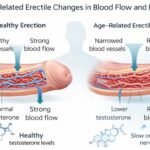
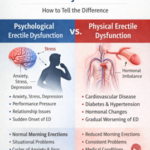
ED is often linked to a combination of physical, psychological, and lifestyle-related factors, including:
- Reduced blood flow to the penis
- Hormonal imbalances (low testosterone)
- Stress, anxiety, or depression
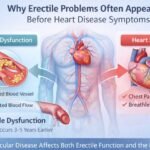
- Poor cardiovascular health
- Sedentary habits
Understanding the root cause is essential in determining whether lifestyle changes alone can make a meaningful difference.
Why Lifestyle Matters More Than You Think
The ability to achieve and maintain an erection is heavily dependent on healthy blood circulation, nerve function, hormone balance, and mental well-being. All of these are directly influenced by your daily habits.
Think of ED as a “warning sign”—your body’s way of highlighting issues such as:
- Poor diet
- Lack of exercise
- Chronic stress
- Unhealthy habits like smoking
By addressing these factors, you’re not just targeting ED—you’re improving your overall health.
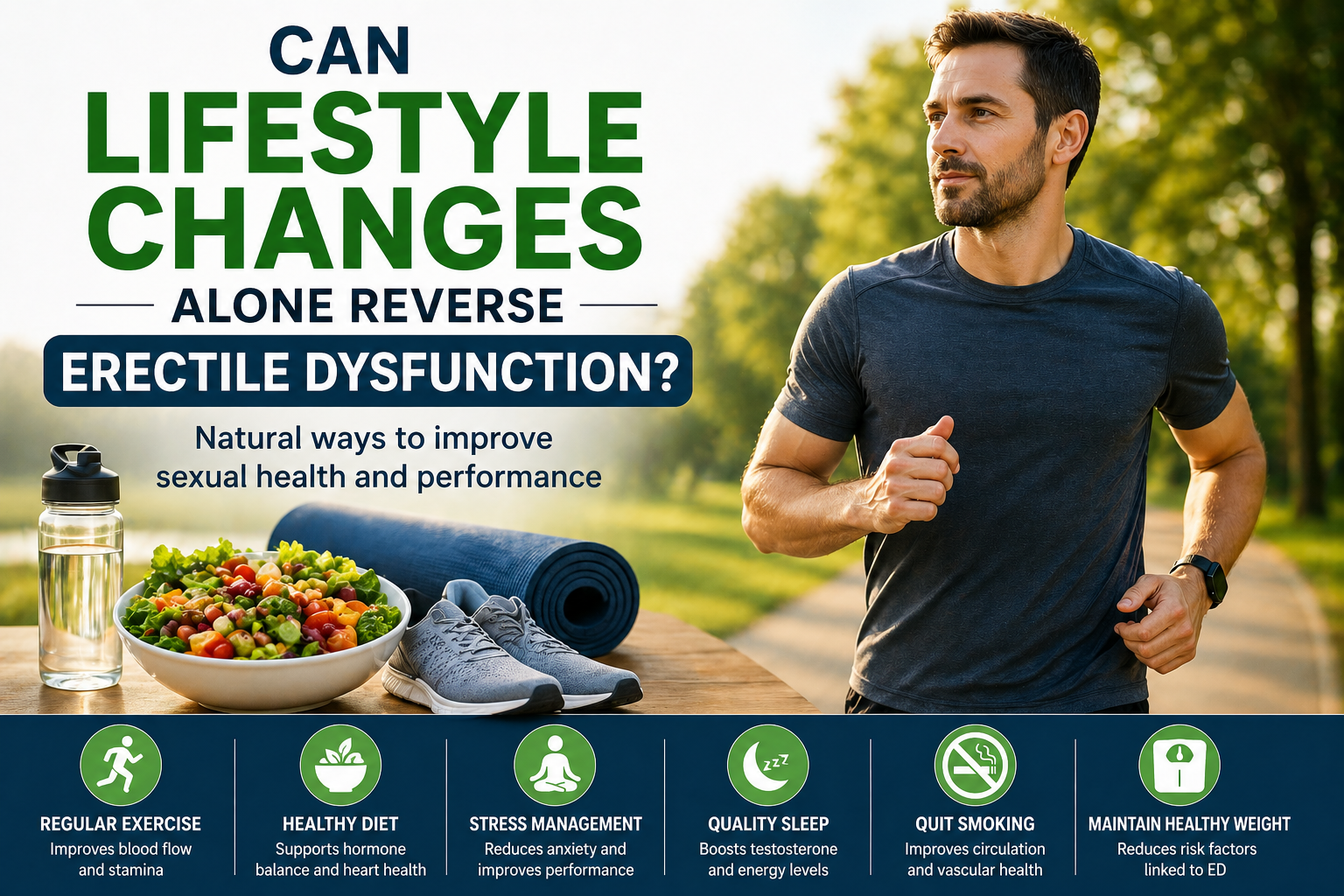
Can Lifestyle Changes Alone Reverse ED?
The Realistic Answer
Yes, lifestyle changes can reverse erectile dysfunction in many cases—particularly when the condition is caused by modifiable risk factors.
Most Likely to Benefit:
- Men with early-stage ED
- Individuals with obesity or poor fitness
- Those experiencing stress-related or psychological ED
- Men with mild circulation issues
Less Likely to Fully Reverse:
- Advanced diabetes-related ED
- Severe cardiovascular disease
- Neurological disorders
- Long-standing, untreated ED
Even in these cases, lifestyle changes can still improve symptoms and enhance treatment effectiveness.
Key Lifestyle Changes That Can Improve Erectile Function
1. Adopting a Heart-Healthy Diet
A balanced diet is one of the most effective ways to improve blood flow, which is essential for erections.
Recommended Foods:
- Leafy greens (spinach, kale)
- Fruits (especially berries and citrus)
- Whole grains
- Nuts and seeds
- Healthy fats (olive oil, avocados)
These foods help reduce inflammation, improve vascular health, and support hormone balance.
Foods to Limit:
- Processed foods
- High sugar intake
- Trans fats
- Excess red meat
A healthier diet not only improves ED but also reduces the risk of heart disease and diabetes.
2. Regular Physical Exercise
Exercise is often referred to as a “natural ED treatment”—and for good reason.
Benefits of Exercise:
- Improves blood circulation
- Boosts testosterone levels
- Enhances stamina and energy
- Reduces stress and anxiety
Best Types of Exercise:
- Cardio (walking, jogging, cycling)
- Strength training
- Pelvic floor exercises (Kegels)
Even moderate activity for 30 minutes a day can lead to noticeable improvements over time.
3. Weight Management
Excess weight, especially abdominal fat, is strongly linked to ED.
Why It Matters:
- Increases inflammation
- Lowers testosterone levels
- Impairs blood flow
Losing even 5–10% of body weight can significantly improve erectile function and overall well-being.
4. Stress Reduction and Mental Health
Psychological factors are a major contributor to ED, particularly in younger men.
Common Triggers:
- Work-related stress
- Relationship issues
- Performance anxiety
Effective Stress Management Techniques:
- Meditation and mindfulness
- Deep breathing exercises
- Regular physical activity
- Talking to a therapist or counselor
Improving mental health can restore confidence and improve sexual performance naturally.
5. Improving Sleep Quality
Sleep plays a crucial role in hormone regulation, including testosterone production.
Poor Sleep Can Lead To:
- Reduced libido
- Fatigue
- Hormonal imbalance
Tips for Better Sleep:
- Maintain a consistent sleep schedule
- Avoid screens before bedtime
- Create a relaxing nighttime routine
Quality sleep supports both physical and mental health—key components of sexual performance.
6. Reducing Alcohol and Quitting Smoking
Both smoking and excessive alcohol consumption are major risk factors for ED.
Smoking:
- Damages blood vessels
- Reduces blood flow
Alcohol:
- Interferes with nerve signals
- Lowers testosterone levels
Reducing or eliminating these habits can significantly improve erectile function over time.
How Long Do Lifestyle Changes Take to Work?
Lifestyle changes require patience and consistency.
Typical Timeline:
- Initial improvements: 3–4 weeks
- Noticeable changes: 6–12 weeks
- Long-term benefits: 3–6 months
Results vary depending on the individual, but consistency is key to success.
The Role of Consistency
One of the biggest mistakes people make is expecting quick results. Lifestyle changes are not a “one-time fix”—they require long-term commitment.
Tips for Staying Consistent:
- Set realistic goals
- Track your progress
- Make gradual changes
- Stay motivated with small wins
Consistency is what transforms small changes into lasting results.
When Should You Seek Medical Advice?
While lifestyle improvements are highly beneficial, you should consider consulting a healthcare professional if:
- ED persists despite lifestyle changes
- You have underlying health conditions
- Symptoms worsen over time
- You experience pain or discomfort
A professional evaluation can help identify deeper causes and guide appropriate treatment.
Combining Lifestyle Changes with Other Approaches
In many cases, the best results come from a combined approach.
Lifestyle changes can:
- Enhance treatment effectiveness
- Reduce reliance on medication
- Improve overall health outcomes
They should be viewed as a foundation, not a replacement, when medical support is needed.
Final Thoughts
So, can lifestyle changes alone reverse erectile dysfunction?
👉 In many cases, yes—especially when ED is linked to lifestyle and psychological factors.
However, the effectiveness depends on the underlying cause and the individual’s commitment to change. Even when lifestyle changes don’t completely reverse ED, they remain one of the most powerful tools for improving sexual health and overall well-being.
Important Disclaimer
This content is intended for informational purposes only and should not be considered a substitute for professional medical advice. Always consult a qualified healthcare provider before making changes to your health routine or starting any treatment.
Explore More on NowKamagra
For more detailed guides on men’s health, treatment options, and safe usage practices, explore our expert-written resources designed to help you make informed and confident decisions.
Frequently Asked Questions
Can erectile dysfunction go away naturally?
Yes, in many cases ED can improve with lifestyle changes like better diet, regular exercise, stress management, and improved sleep.
How long does it take to reverse ED naturally?
It can take anywhere from a few weeks to a few months depending on the underlying cause and consistency of lifestyle changes.
Is exercise effective for erectile dysfunction?
Yes, regular physical activity improves blood flow and hormone levels, which are essential for healthy erectile function.
Can stress cause erectile dysfunction?
Yes, stress and anxiety can interfere with sexual performance and are common causes of ED, especially in younger men.