
Low sexual desire in men is a common but often misunderstood issue that can affect confidence, relationships, and overall wellbeing. While occasional changes in libido are normal, persistent lack of sexual interest may signal physical, psychological, or lifestyle-related factors that need attention.
Thank you for reading this post, don't forget to subscribe!Understanding low libido and how it connects with broader men’s sexual health and wellbeing is an important first step toward addressing the issue responsibly.
What Is Low Sexual Desire in Men?
Low sexual desire, also known as low libido, refers to a reduced interest in sexual activity compared to what feels normal for an individual. Libido naturally varies from person to person and can change over time due to age, stress, or health conditions.
It is important to note that low libido is not the same as erectile dysfunction. Some men may experience reduced desire while still being physically capable, whereas others may experience both concerns together. Learning more about understanding erectile dysfunction in men can help clarify the difference.
Common Causes of Low Sexual Desire
Low sexual desire is usually influenced by multiple factors rather than a single cause.
Hormonal Changes
Testosterone plays a significant role in male sexual desire. Reduced testosterone levels may lead to low libido, tiredness, and mood changes over time.
Stress and Mental Health
Chronic stress, anxiety, and depression are major contributors to reduced sexual interest. Mental strain often suppresses desire and may also contribute to how stress affects sexual desire in men.
Relationship and Emotional Factors
Ongoing relationship issues, lack of communication, or emotional distance can gradually reduce sexual interest and intimacy.
Medical Conditions
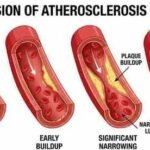
Conditions such as diabetes, obesity, cardiovascular disease, and high blood pressure can affect circulation and energy levels. These issues are also closely linked to erectile dysfunction causes and symptoms, which may occur alongside low libido.
Medication Side Effects
Some antidepressants, blood pressure medicines, and hormonal treatments may reduce sexual desire as a side effect.
Signs and Symptoms of Low Libido
Men experiencing low sexual desire may notice:
- Reduced interest in sexual activity
- Fewer sexual thoughts or fantasies
- Avoidance of intimacy
- Emotional frustration or confusion
- Strain in relationships
If these symptoms continue for several months, it may be time to explore professional guidance.
Psychological Impact of Low Sexual Desire
Low libido can have a strong emotional impact. Many men experience reduced self-esteem, increased stress, and performance-related anxiety. In some cases, this anxiety may lead to erection concerns, making it useful to explore erectile dysfunction treatment options as part of a broader sexual health discussion.
Addressing the emotional side of low libido is just as important as managing physical symptoms.
How Low Sexual Desire Can Be Improved
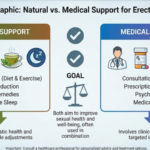
There is no single solution for low libido, but a combination of approaches often provides the best results.
Lifestyle Improvements
Adopting healthier habits can positively influence libido:
- Regular exercise to support circulation and hormone balance
- Nutritious diet and proper hydration
- Quality sleep and rest
- Reduced alcohol intake and smoking
Many men also explore natural ways to improve male libido alongside lifestyle changes.
Medical and Sexual Health Support
If low libido is linked with physical performance concerns, addressing those issues may help restore confidence. Some men benefit from learning about ED tablets for beginners, especially when performance anxiety is contributing to reduced desire.
Understanding how sildenafil supports erectile function can also help men make informed decisions about treatment discussions with healthcare professionals.
When to Seek Professional Advice
Men should consider seeking medical guidance if:
- Low sexual desire lasts for several months
- It affects emotional wellbeing or relationships
- There are additional symptoms such as fatigue or low mood
- There is concern about hormone levels or underlying health conditions
A professional assessment may also include discussion around the safe use of ED medication, where appropriate.
Preventing Long-Term Libido Issues
While not all causes of low sexual desire can be prevented, maintaining good overall health can significantly reduce long-term risk. Managing stress, staying active, and addressing health issues early all support sexual wellbeing.
Being informed about medical guidance for ED treatment and sexual health can help men take a proactive and responsible approach.
Final Thoughts
Low sexual desire in men is a common and manageable concern. It is influenced by physical health, mental wellbeing, lifestyle habits, and emotional factors. By understanding the causes and exploring supportive solutions, men can take positive steps toward improving confidence, intimacy, and overall quality of life.
Open communication, healthy habits, and reliable information are key to maintaining long-term sexual health.