
A change in sexual desire can be confusing, particularly when it happens gradually. Some men notice that they think about sex less often, feel less interested in intimacy, or no longer experience the same level of sexual motivation they had previously.
Thank you for reading this post, don't forget to subscribe!Low sexual desire in men, also called low libido, is relatively common and can occur at different stages of life. It is not necessarily a sign that something is seriously wrong, and there is no single level of sexual desire that should be considered “normal” for every man.
What matters is whether the change is persistent, unexpected, distressing, or affecting a relationship or overall wellbeing.
Low libido can have many possible explanations. Stress, relationship difficulties, poor sleep, alcohol, certain medicines, depression, underlying medical conditions and hormonal changes can all play a role. Low testosterone is one possible cause, but it is not the explanation for every case of reduced sexual desire.
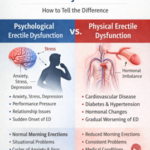
It is also important to distinguish low sexual desire from erectile dysfunction (ED). A man can have normal sexual desire but have difficulty getting or maintaining an erection, while another man may have little interest in sex despite having no difficulty achieving an erection.
Understanding that difference is an important first step towards finding the right approach.
What Is Low Sexual Desire in Men?
Low sexual desire means having less interest in sexual activity than you previously experienced or less interest than you would personally like to have.
It may appear as:
- Thinking about sex less frequently
- Feeling little or no interest in initiating sexual activity
- Reduced sexual fantasies
- Less interest in masturbation
- Feeling less responsive to sexual situations
- Avoiding intimacy because the desire is not there
- Feeling concerned or frustrated about the change
There is no universal number of times a man should want sex.
Sex drive naturally varies between individuals and can change throughout life. Temporary reductions in desire may occur during periods of stress, tiredness, illness or emotional difficulty.
A persistent change, particularly one that develops without an obvious explanation, deserves more attention.
Cleveland Clinic notes that low libido can be temporary or longer-lasting and may become important when it affects wellbeing or relationships.
Low Libido vs Erectile Dysfunction: They Are Not the Same
One of the most important things to understand about male sexual health is that desire and erection are different processes.
Low libido
Low libido concerns interest or desire for sexual activity.
Erectile dysfunction
Erectile dysfunction concerns the physical ability to achieve or maintain an erection suitable for sexual activity.
A man can therefore experience:
Low desire + normal erections
or:
Normal desire + erectile difficulties
Some men experience both at the same time.
Erectile difficulties can sometimes affect desire indirectly. For example, repeated difficulty maintaining an erection may create anxiety or embarrassment, which can eventually reduce interest in sexual activity.
Conversely, a man who has little sexual desire may not experience enough sexual stimulation for an erection to develop.
This distinction is important when considering treatment. Medicines designed to improve erections do not necessarily address the underlying causes of low libido.
You can learn more about the difference between these conditions in our guide to erectile dysfunction in men.
What Causes Low Sexual Desire in Men?
There is rarely one universal cause of low libido.
Sexual desire is influenced by a combination of physical health, hormones, emotional wellbeing, relationships, lifestyle and medications.
The most common possibilities include the following.
1. Stress and Mental Exhaustion
Modern life can place considerable pressure on men.
Work responsibilities, financial concerns, family commitments and relationship difficulties can all consume mental energy.
When the mind is constantly occupied by stress, sexual thoughts may become less of a priority.
Long-term stress can also interfere with sleep, mood and general wellbeing, which may further affect sexual interest.
Stress-related low libido does not necessarily mean there is a hormonal problem.
Reducing the underlying source of stress may be more useful than immediately looking for a medication to increase sexual desire.
2. Anxiety and Performance Concerns
Sexual performance anxiety can create a difficult cycle.
A man may worry about:
- Getting an erection
- Maintaining an erection
- Satisfying a partner
- Reaching orgasm
- Previous sexual experiences
- How his body looks
- Whether he will “perform” well enough
Those thoughts can interfere with sexual arousal.
Over time, anticipating another disappointing sexual experience may cause a man to avoid intimacy altogether.
This can make low desire appear to be the primary problem when anxiety or previous sexual difficulties are contributing factors.
3. Depression and Low Mood
Depression can affect many aspects of daily life, including motivation, energy, concentration and interest in activities that were previously enjoyable.
Sexual desire can also decline.
A man experiencing low libido together with persistent sadness, loss of interest, low energy, sleep changes or feelings of hopelessness should consider discussing these symptoms with a healthcare professional.
Mayo Clinic identifies loss of interest in sex as one possible symptom associated with depression, although sexual changes can have many other causes.
4. Low Testosterone
Testosterone is an important hormone involved in male sexual development and libido.
Low testosterone, medically associated with male hypogonadism, can cause reduced sexual desire.
Other symptoms may include:
- Reduced energy
- Fewer spontaneous or morning erections
- Erectile difficulties
- Reduced muscle mass
- Increased body fat
- Low mood
- Difficulty concentrating
- Reduced body hair in some cases
However, having low sexual desire does not automatically mean that testosterone is low.
Symptoms such as tiredness, low mood and reduced libido can occur for many different reasons.
The Endocrine Society states that a diagnosis of testosterone deficiency requires appropriate symptoms together with consistently low testosterone measurements; symptoms alone are not enough.
5. Age and Changes in Hormones
Sexual desire can change as men get older.
Testosterone levels tend to decline gradually with age, although the rate and significance of the change differ between individuals.
Ageing itself does not mean that a man should lose interest in sex.
Mayo Clinic notes that a gradual decrease in sex drive can occur with ageing, but also highlights that sudden or concerning changes should be evaluated because medical conditions, medications, stress, fatigue and hormonal problems can contribute.
A sudden change in libido should therefore not simply be dismissed as “getting older.”
6. Relationship Problems and Reduced Intimacy
Sexual desire is closely connected with emotional and relationship wellbeing for many people.
Conflict, lack of communication, unresolved resentment, emotional distance or changes in a long-term relationship can affect sexual interest.
Sometimes the issue is not a lack of physical attraction but a reduction in emotional closeness.
Open communication can help identify whether relationship factors are contributing to the change.
Relationship or couples counselling may be useful in some situations.
7. Lack of Sleep and Constant Fatigue
Poor sleep can leave a person physically and mentally exhausted.
When someone is consistently tired, sexual activity may naturally become less appealing.
Sleep problems can also overlap with other factors associated with low libido.
For example, obstructive sleep apnoea has been associated with hormonal and sexual health problems, and treating an underlying sleep disorder may improve related symptoms.
If you regularly wake feeling unrefreshed, snore heavily, or experience excessive daytime sleepiness, discussing sleep quality with a healthcare professional may be worthwhile.
8. Alcohol and Recreational Drugs
Alcohol can have a complicated relationship with sexual function.
While small amounts may reduce inhibitions, excessive alcohol consumption can negatively affect sexual desire and performance.
Long-term heavy alcohol use can also contribute to broader physical and hormonal health problems.
Smoking and recreational drug use may also affect sexual health.
Reducing excessive alcohol consumption and avoiding recreational drugs can therefore be part of a broader approach to improving libido.
9. Certain Medicines
Some prescription medicines can affect sexual desire.
Medicines associated with sexual side effects can include certain:
- Antidepressants
- Antipsychotic medicines
- Blood-pressure medicines
- Hormonal treatments
- Other medicines affecting the nervous or endocrine systems
Not everyone taking these medicines will experience reduced libido.
If you suspect that a medicine is affecting your sex drive, do not stop taking it on your own.
A healthcare professional can review the medicine, dosage and alternatives if appropriate. Mayo Clinic and NHS guidance both recognise medicines as a possible contributor to reduced sexual desire.
10. Diabetes and Metabolic Health
Diabetes can affect sexual health in several ways.
Long-term metabolic problems can affect blood vessels, nerves and hormonal function, all of which may influence sexual function.
Diabetes is also associated with erectile dysfunction, meaning some men may experience both reduced desire and erection problems.
Managing blood glucose and other cardiovascular risk factors can therefore be an important part of maintaining sexual health.
11. Thyroid and Other Hormonal Conditions
The thyroid and other endocrine systems influence metabolism, energy and many body functions.
Hormonal disorders can sometimes contribute to changes in sexual desire.
Other hormone-related factors can include abnormal prolactin levels or problems affecting the testicles, pituitary gland or hypothalamus.
This is one reason persistent low libido should not automatically be treated with testosterone or so-called “testosterone boosters.”
The underlying cause needs to be understood first.
What Are the Signs of Low Libido in Men?
Low libido can look different from one person to another.
Common signs include:
- Less frequent thoughts about sex
- Reduced interest in initiating sex
- Less sexual excitement
- Reduced interest in masturbation
- Fewer sexual fantasies
- Avoiding sexual situations
- Feeling emotionally disconnected from intimacy
- Concern about the change in sexual desire
Some men may also experience erectile difficulties, although this is not necessarily part of low libido itself.
If the change is sudden, persistent or accompanied by other symptoms, medical assessment may be appropriate.
Does Low Libido Always Mean Low Testosterone?
No.
This is one of the most important points when discussing male sexual desire.
Testosterone is involved in libido, but sexual desire is influenced by far more than one hormone.
A man may have normal testosterone levels and still experience low libido because of:
- Stress
- Depression
- Anxiety
- Relationship difficulties
- Poor sleep
- Alcohol
- Medication side effects
- Chronic illness
- Sexual performance concerns
Equally, some men with genuinely low testosterone may experience reduced libido together with other symptoms.
Proper assessment is therefore more useful than assuming that every change in sexual desire is caused by “low T.”
The Endocrine Society recommends confirming testosterone deficiency with appropriate laboratory testing in men who have compatible symptoms rather than diagnosing the condition from symptoms alone.
How Is Low Sexual Desire Diagnosed?
There is no single test that can explain every case of low libido.
A healthcare professional may begin by asking about:
- When the change began
- Whether it happened suddenly or gradually
- Sexual desire in the past
- Erectile function
- Morning or spontaneous erections
- Relationship circumstances
- Stress levels
- Sleep quality
- Alcohol consumption
- Prescription medicines
- General health
- Mood and mental wellbeing
Depending on the symptoms, a physical examination or laboratory testing may be considered.
Testosterone Testing
If low testosterone is suspected, blood testing may be appropriate.
Testosterone levels vary during the day, and testing is generally performed in the morning.
A single low result does not necessarily establish the diagnosis.
The Endocrine Society recommends confirming low testosterone with appropriate repeat testing and considering the broader clinical picture.
Other tests may be considered depending on the suspected cause.
These can include tests relating to:
- Thyroid function
- Prolactin
- Other reproductive hormones
- General health and metabolic factors
The exact tests should be determined according to the individual’s symptoms and medical history.
How Can Men Improve Low Sexual Desire?
The best approach depends on what is causing the reduced libido.
There is no single “libido booster” that works for every man.
Instead, it is often more useful to address the factors that may be suppressing sexual interest.
Improve Sleep
Aim for consistent, good-quality sleep.
A regular sleep schedule, a suitable sleeping environment and addressing persistent sleep problems may improve energy and overall wellbeing.
If you have symptoms suggestive of sleep apnoea or another sleep disorder, speak with a healthcare professional.
Exercise Regularly
Regular physical activity supports cardiovascular health, fitness and general wellbeing.
Exercise can also help with weight management and stress.
A practical goal is to build consistent activity into your routine rather than relying on occasional intense workouts.
Maintain a Healthy Weight
Excess body weight can be associated with hormonal and metabolic problems that may affect sexual health.
Weight management may therefore be useful when low libido occurs alongside obesity or metabolic health problems.
Current Endocrine Society guidance highlights weight loss as an important first-line consideration for some men with obesity-related testosterone deficiency.
Limit Excessive Alcohol
Reducing heavy alcohol consumption can benefit both general and sexual health.
If alcohol has become a regular part of managing stress, addressing the underlying stress may also be important.
Stop Smoking
Smoking can negatively affect blood vessels and cardiovascular health.
Because healthy sexual function depends partly on good circulation, stopping smoking can be an important long-term health measure.
Manage Stress
Consider practical ways of reducing ongoing stress.
These may include:
- Regular exercise
- Time away from work
- Relaxation techniques
- Better sleep
- Talking to someone you trust
- Professional counselling where appropriate
Reducing stress may help when psychological pressure is contributing to reduced sexual interest.
Can Improving Erectile Dysfunction Help With Low Libido?
Sometimes, but it depends on the underlying cause.
A man may lose interest in sex because repeated erectile difficulties have created anxiety or frustration.
In such cases, addressing the erection problem may improve confidence and make sexual activity feel less stressful.
However, medicines used to treat erectile dysfunction primarily help with the erection, not sexual desire itself.
For example, PDE5 inhibitors such as sildenafil and tadalafil support the physical erectile response when sexual stimulation occurs. They do not directly create sexual desire.
This distinction is particularly important for men who have normal erections but genuinely feel little interest in sex.
You can read more about how erectile dysfunction treatments work in our men’s sexual health guide.
Is There Medicine for Low Sexual Desire in Men?
Treatment depends entirely on the underlying cause.
There is no universal medicine that should be taken simply because a man has a lower sex drive.
Possible approaches may include:
Treating an Underlying Medical Condition
If diabetes, thyroid disease, sleep apnoea or another health condition is contributing to the problem, treating that condition may help.
Reviewing Current Medicines
If a medicine is contributing to reduced libido, a healthcare professional may consider whether a change is appropriate.
Never change or stop prescription medication without professional advice.
Addressing Depression or Anxiety
Counselling, psychological therapy or appropriate medical treatment may help when mental health is contributing to reduced sexual desire.
Treating Confirmed Testosterone Deficiency
Testosterone treatment may be considered for appropriately diagnosed hypogonadism.
It should not be used simply because a man feels tired or has reduced libido without appropriate evaluation.
Testosterone Replacement Therapy and Low Libido
Testosterone replacement therapy (TRT) is sometimes discussed online as a general solution for low sex drive.
That approach can be misleading.
Testosterone treatment is intended for men with appropriately diagnosed testosterone deficiency rather than for every man experiencing reduced sexual desire.
Diagnosis generally involves both compatible symptoms and consistently low testosterone levels.
The potential benefits and risks also need to be considered individually. The Endocrine Society specifically recommends accurate diagnosis and assessment of the underlying cause before testosterone therapy is started.
Men who are concerned about testosterone should therefore seek proper assessment rather than relying on over-the-counter “testosterone boosters.”
Do Testosterone Boosters Increase Male Libido?
Be cautious about products marketed as natural testosterone or libido boosters.
The presence of an ingredient marketed as “natural” does not automatically mean that a product is effective or safe.
Some supplements may have limited evidence behind them, and product quality can vary. If you suspect low testosterone, appropriate medical assessment is more reliable than trying multiple supplements without knowing whether testosterone is actually low.
Low Sexual Desire After 40
A gradual change in sexual desire can occur as men get older, but age alone should not be used to explain every change.
Men over 40 may also be more likely to have conditions that can influence sexual health, including:
- High blood pressure
- Diabetes
- Obesity
- High cholesterol
- Sleep problems
- Cardiovascular disease
Some may also take medicines that can affect sexual function.
For this reason, a noticeable reduction in libido after 40 can be a useful reason to review overall health rather than simply assuming that it is an unavoidable part of ageing.
Low Sexual Desire in Younger Men
Low libido is not limited to older men.
Younger men can experience reduced sexual desire because of:
- Stress
- Anxiety
- Depression
- Relationship difficulties
- Sleep deprivation
- Excessive alcohol
- Recreational drug use
- Certain medicines
- Hormonal conditions
- Chronic illness
Performance anxiety can be particularly relevant when reduced desire occurs alongside erection problems.
The age of the person does not by itself identify the cause.
When Should You See a Doctor About Low Libido?
Consider speaking with a healthcare professional if:
- Your sex drive has changed significantly
- The change persists for several months
- Low libido is affecting your relationship
- You are worried about the change
- You also have erectile difficulties
- You have lost morning or spontaneous erections
- You have persistent fatigue
- You have symptoms suggesting low testosterone
- You recently started a medicine and noticed a change
- You have other unexplained health symptoms
NHS guidance recommends seeking medical advice when low libido is concerning or when a medicine or health condition may be contributing.
A sudden change in sexual desire should particularly be discussed with a healthcare professional rather than automatically attributed to age or lifestyle.
Can Low Libido Be a Sign of Another Health Problem?
Sometimes.
Reduced sexual desire can occur alongside conditions affecting:
- Hormones
- Metabolism
- Mental health
- Cardiovascular health
- Sleep
- The nervous system
For example, low testosterone may occur with conditions affecting the testicles, pituitary gland or hypothalamus. Obesity, diabetes, sleep apnoea and some chronic illnesses can also be associated with testosterone deficiency.
This does not mean that low libido automatically indicates serious disease.
It simply means that persistent unexplained changes deserve a broader look.
Frequently Asked Questions About Low Sexual Desire in Men
What is low sexual desire in men?
Low sexual desire, or low libido, means having less interest in sexual activity than previously or less interest than you would personally like. It can be temporary or persistent and may have physical, psychological, hormonal, relationship or lifestyle-related causes.
Is low libido normal for men?
Sexual desire naturally varies between individuals and can change throughout life. A temporary decrease is not necessarily a medical problem. However, persistent or distressing changes should be discussed with a healthcare professional.
Does low testosterone cause low libido?
Low testosterone can contribute to reduced sexual desire, but it is only one possible cause. Stress, depression, anxiety, medications, sleep problems and medical conditions can also affect libido.
How do I know if my testosterone is low?
Symptoms alone cannot reliably diagnose testosterone deficiency. If low testosterone is suspected, a healthcare professional may arrange appropriate blood testing and interpret the result alongside your symptoms and medical history.
Can stress reduce sexual desire?
Yes. Ongoing stress can affect mental wellbeing, sleep and sexual interest. Reducing the underlying source of stress may help improve libido.
Can depression cause low libido?
Yes. Depression can reduce interest in many activities, including sex. Some antidepressant medicines can also cause sexual side effects.
Can erectile dysfunction cause low libido?
It can contribute indirectly. Repeated erection difficulties may create anxiety or frustration around sex, which can reduce sexual interest. However, ED and low libido are separate conditions.
Does sildenafil increase sexual desire?
Sildenafil is used to support erectile function. It does not directly increase sexual desire or libido.
Does tadalafil increase libido?
Tadalafil primarily supports the physical erectile response during sexual stimulation. It is not a treatment designed to directly increase sexual desire.
Can alcohol lower libido?
Excessive alcohol consumption can negatively affect sexual desire and sexual performance. Reducing heavy alcohol use may therefore be helpful.
Can exercise improve male libido?
Regular physical activity supports cardiovascular fitness, general health and wellbeing and may be helpful when lifestyle factors are contributing to reduced sexual interest.
Should men take testosterone for low libido?
Not without appropriate evaluation. Testosterone treatment is intended for men with appropriately diagnosed testosterone deficiency. Low libido by itself does not establish that testosterone treatment is needed.
When should I see a doctor about low sex drive?
Speak with a healthcare professional if the change is persistent, sudden, distressing, affects your relationship, or occurs together with symptoms such as erectile difficulties, fatigue, mood changes or other unexplained health problems.
Final Thoughts
Low sexual desire in men is a multifactorial issue, and finding the cause is often more useful than simply looking for a quick libido-boosting solution.
Stress, anxiety, depression, relationship difficulties, poor sleep, alcohol, medications, chronic health conditions and hormonal changes can all influence sexual interest.
Testosterone is important, but low libido should not automatically be interpreted as evidence of testosterone deficiency. Appropriate assessment can help determine whether hormone testing or investigation of another underlying cause is necessary.
It is also important to separate sexual desire from erectile function. A man may want sex but struggle to achieve an erection, or he may have normal erections but little interest in sex. These situations can require different approaches.
Improving sleep, exercising regularly, maintaining a healthy weight, limiting excessive alcohol, stopping smoking and addressing stress can support overall sexual and cardiovascular health. When low libido persists or causes concern, professional medical advice can help identify the underlying factors and appropriate treatment options.
Medical Disclaimer
This article is intended for general educational purposes and should not be considered a diagnosis or individual treatment recommendation.
Low sexual desire can have many possible causes. Testosterone treatment, prescription medicines and treatments for erectile dysfunction are not appropriate for everyone.
If you have persistent, sudden or distressing changes in sexual desire, speak with a qualified healthcare professional for appropriate assessment and advice.