Sleep is often underestimated when it comes to male sexual health, yet it plays a vital role in hormone balance, mental wellbeing, and erectile function. For many men in the UK, poor sleep patterns quietly contribute to symptoms similar to mild erectile dysfunction, including reduced libido, inconsistent erections, and low sexual confidence.
Thank you for reading this post, don't forget to subscribe!Growing clinical evidence now highlights sleep as a foundational factor in maintaining long-term sexual health.
Why Sleep Is Essential for Male Sexual Performance
Sexual function relies on a coordinated interaction between hormones, blood circulation, nerve signaling, and mental focus. Sleep directly influences all of these systems.
During deep and REM sleep stages, the body:
- Produces testosterone
- Repairs blood vessels
- Regulates stress hormones
- Supports neurological recovery
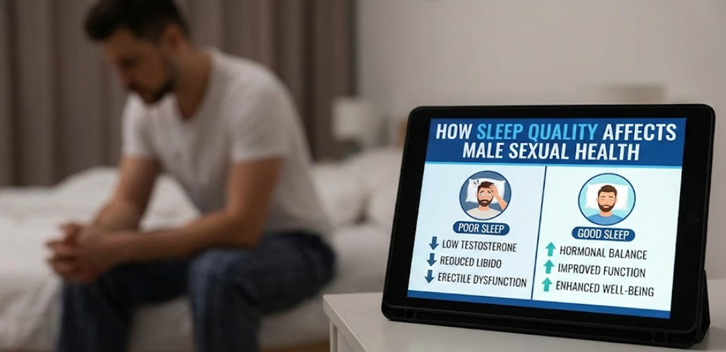
Men with chronic sleep disruption often experience symptoms overlapping with early signs of erectile dysfunction, even when no physical illness is diagnosed.
Testosterone Production Depends on Sleep Quality
Testosterone plays a central role in:
- Sexual desire
- Erectile strength
- Energy levels
- Mood stability
UK-based health studies indicate that testosterone production peaks during uninterrupted deep sleep. Men sleeping fewer than 5–6 hours per night may see a measurable testosterone drop within days. Low testosterone is commonly associated with issues discussed in common causes of erectile problems in men over 30, particularly fatigue and reduced sexual interest.
Sleep Deprivation and Erectile Dysfunction
Poor sleep contributes to erectile difficulties through two primary pathways:
Reduced Blood Flow Regulation
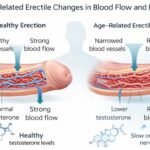
Sleep deprivation interferes with nitric oxide production, which is essential for healthy blood vessel expansion. Restricted blood flow directly impacts erection quality, a process also discussed in our guide on exercise routines that improve blood flow naturally.
Elevated Stress Hormones
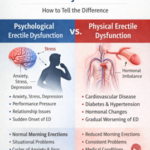
Insufficient sleep raises cortisol levels, increasing vascular tension and suppressing sexual arousal. This mechanism closely mirrors what happens in stress-related and performance anxiety erectile dysfunction.
UK Men and Rising Sleep-Related Sexual Issues
Health surveys across the UK suggest that more than half of adult men experience ongoing sleep problems. Shift workers, high-pressure professionals, and men over 30 are particularly vulnerable.
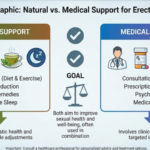
This rise closely parallels increased interest in natural erectile dysfunction solutions, as many men seek lifestyle-based improvements before considering medical options.
Sleep, Mental Health, and Sexual Confidence
Sleep quality strongly influences mental health. Poor rest increases the risk of:
- Anxiety
- Depression
- Reduced confidence
- Performance-related stress
Mental distraction during intimacy disrupts the brain-to-penis signalling process, a topic explored further in our article on performance anxiety and erectile dysfunction. Many men notice that improving sleep alone reduces sexual anxiety and restores confidence.
Night-Time Erections and Penile Health
Healthy men experience multiple erections during sleep, known as nocturnal penile tumescence. These night-time erections:
- Maintain penile tissue elasticity
- Support long-term erectile strength
- Indicate healthy nerve and blood vessel function
Reduced sleep quality decreases the frequency of these erections, potentially weakening erectile response over time—especially when combined with poor diet or inactivity.
Can Better Sleep Improve Erectile Function?
For men with mild or psychological erectile difficulties, improving sleep can lead to noticeable improvement. Enhanced sleep quality supports:
- Hormonal balance
- Improved circulation
- Reduced anxiety
- More consistent erections
Sleep optimisation works best alongside habits outlined in our guide to lifestyle changes that can reverse mild erectile dysfunction naturally.
Practical Sleep Tips for Better Sexual Health
Maintain a Consistent Sleep Schedule
Regular sleep and wake times support hormonal stability.
Reduce Evening Screen Exposure
Blue light disrupts melatonin production and delays sleep onset.
Limit Alcohol and Heavy Meals
Both negatively impact sleep cycles and erectile health.
Improve Sleep Environment
Dark, cool, and quiet bedrooms encourage deeper rest.
Manage Daily Stress
Stress reduction complements the benefits of natural erectile health strategies, including exercise and nutrition.
When Sleep Problems Need Medical Attention
Persistent sleep issues combined with erectile symptoms may signal conditions such as sleep apnea, which is strongly linked to erectile dysfunction and low testosterone. Early evaluation can prevent long-term complications.
Final Thoughts
Sleep quality is a cornerstone of male sexual health. From hormone production and blood flow to mental clarity and confidence, restful sleep supports every stage of sexual function.
For UK men experiencing early erection difficulties, low libido, or performance anxiety, improving sleep may be one of the most effective and natural steps toward better sexual wellbeing.
FAQ
Can poor sleep cause erectile dysfunction in men?
Yes, poor sleep can contribute to erectile dysfunction. Lack of quality sleep disrupts testosterone production, increases stress hormones like cortisol, and reduces blood flow regulation, all of which are important for healthy erections.
How many hours of sleep do men need for healthy testosterone levels?
Most men need 7–9 hours of quality sleep per night to maintain optimal testosterone levels. Studies show that sleeping fewer than 5–6 hours regularly can significantly reduce testosterone within a short period.
Can improving sleep quality help with mild erectile problems?
Improving sleep quality can help men with mild or stress-related erectile issues. Better sleep supports hormone balance, mental clarity, and circulation, which may improve erection consistency naturally.
Does stress-related insomnia affect sexual performance?
Yes, stress-related insomnia increases anxiety and cortisol levels, which can interfere with sexual arousal and erection quality. Managing stress and improving sleep often leads to better sexual confidence and performance.
When should sleep problems and sexual health concerns be checked by a doctor?
Men should seek medical advice if sleep problems persist for several months or are accompanied by symptoms such as chronic fatigue, loud snoring, breathing interruptions during sleep, or ongoing erectile dysfunction.